Modern UI/UX Design Trends Shaping User Experiences in 2026
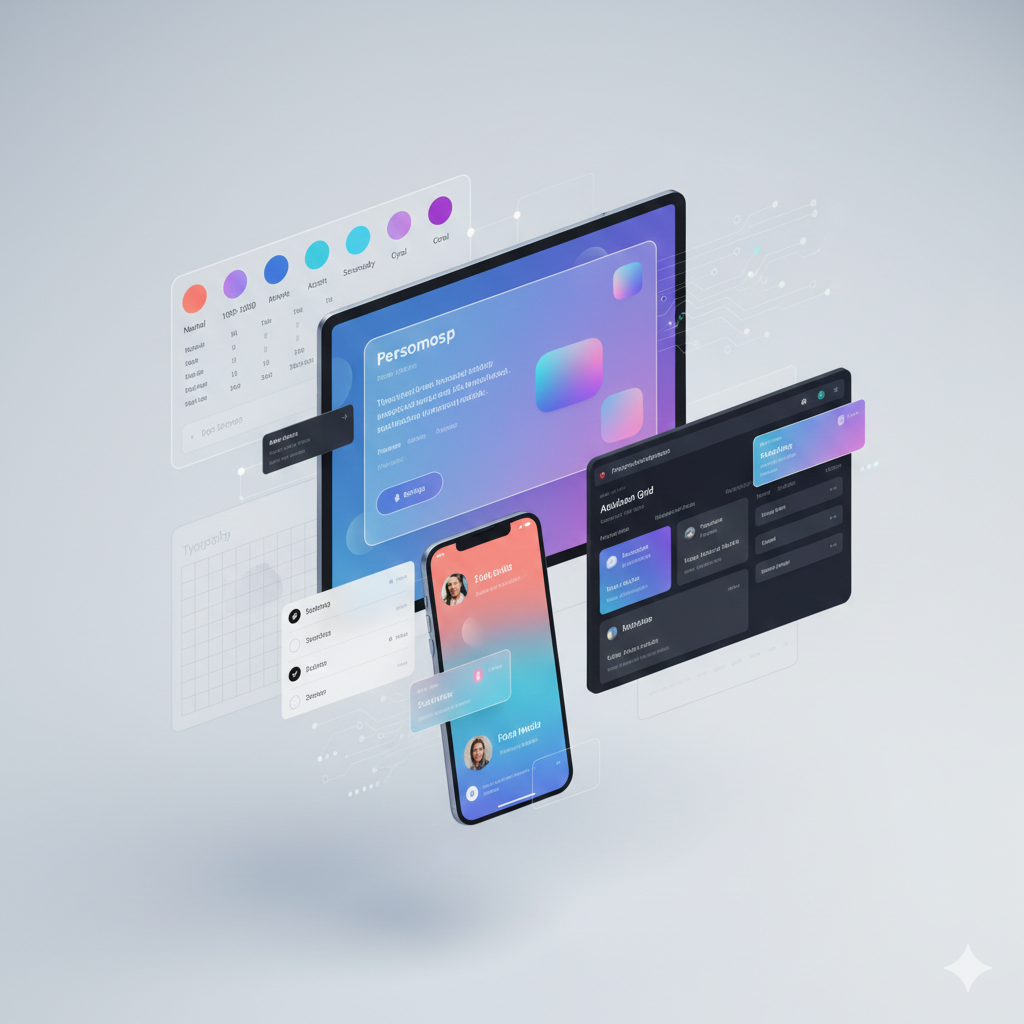
The landscape of UI/UX design continues to evolve rapidly, driven by technological advances, changing user expectations, and new interaction paradigms. In 2026, several key trends are defining how we create digital experiences that engage, delight, and convert users.
1. Neomorphism 2.0: Soft and Tactile Interfaces
Building on the neomorphism trend, designers are creating interfaces that feel tactile and dimensional without overwhelming users. This refined approach uses subtle shadows and highlights to create depth while maintaining accessibility and readability.
Key Characteristics:
- Soft, embossed elements that appear to float above the surface
- Careful attention to contrast ratios for accessibility
- Responsive micro-interactions that provide tangible feedback
- Integration with glassmorphism for layered, sophisticated designs
2. AI-Powered Personalization
Machine learning enables interfaces that adapt to individual user preferences, behaviors, and contexts. Rather than one-size-fits-all experiences, modern applications dynamically adjust layouts, content, and functionality based on user data.
Practical Applications:
- Adaptive navigation that promotes frequently-used features
- Personalized content recommendations based on behavior patterns
- Dynamic color schemes that adjust to user preferences and time of day
- Context-aware interfaces that change based on device, location, or activity
3. Immersive 3D Experiences
WebGL and WebGPU technologies make it possible to deliver sophisticated 3D experiences directly in browsers without plugins. This opens new possibilities for product visualization, virtual showrooms, and interactive storytelling.
Design Considerations:
- Balance visual impact with performance constraints
- Provide fallbacks for devices with limited GPU capabilities
- Ensure 3D elements enhance rather than distract from core functionality
- Maintain accessibility for users who can't interact with 3D content
4. Voice and Conversational Interfaces
As voice assistants become more sophisticated, designing for voice interaction is increasingly important. Modern UX considers both visual and voice modalities, creating multimodal experiences that users can interact with however they prefer.
5. Minimalism with Purposeful Details
Clean, minimal interfaces remain popular, but 2026's minimalism isn't about removing everything—it's about keeping only what serves a purpose. Every element, animation, and interaction should have a clear reason for existing.
Principles of Purposeful Minimalism:
- Clarity over decoration: Visual elements should clarify meaning, not just look attractive
- Breathing room: Strategic use of white space guides attention and reduces cognitive load
- Typography as art: Bold, expressive typography creates visual interest without clutter
- Motion with meaning: Animations communicate state changes and relationships between elements
6. Dark Mode as Standard
Dark mode has evolved from a trendy option to an expected feature. Modern designs plan for both light and dark modes from the start, ensuring consistent experiences across both themes.
7. Accessibility-First Design
Accessibility is no longer an afterthought—it's a fundamental aspect of good UX. Designers are embracing inclusive design principles that create better experiences for everyone:
- High contrast color schemes that work for users with visual impairments
- Keyboard navigation support for users who can't use a mouse
- Clear, descriptive labels and error messages
- Responsive designs that work across all devices and screen sizes
8. Micro-interactions That Delight
Small, subtle animations provide feedback, guide users, and add personality to interfaces. When done well, micro-interactions make applications feel responsive and alive without being distracting.
Implementing These Trends
Not every trend will fit every project. The key is understanding your users' needs and choosing trends that enhance their experience. Start by:
- Conducting user research to understand preferences and pain points
- Testing new design patterns with real users before full implementation
- Measuring the impact of design changes on key metrics
- Iterating based on feedback and data
The best UI/UX design combines aesthetic appeal with functional excellence, creating experiences that users love and remember.